
 ENGLISH
 SPANISH
 ESPAÑOL
 INGLES
Discover how to prevent altitude sickness in Cusco, recognize its symptoms, and learn what to do to enjoy your trip comfortably. A complete guide by PERUTRAVIA.
Visiting Cusco is an unforgettable experience. Its breathtaking Andean landscapes, Inca heritage, and proximity to Machu Picchu make it one of South America’s most popular destinations. However, because of its high elevation, many travelers wonder whether they will experience soroche, also known as altitude sickness.
The good news is that, with careful planning and a few simple precautions, most people can enjoy their trip without major difficulties. In this guide, you’ll discover what altitude sickness is, why it occurs, what symptoms to look out for, and how to reduce your risk so you can make the most of your visit to Cusco.
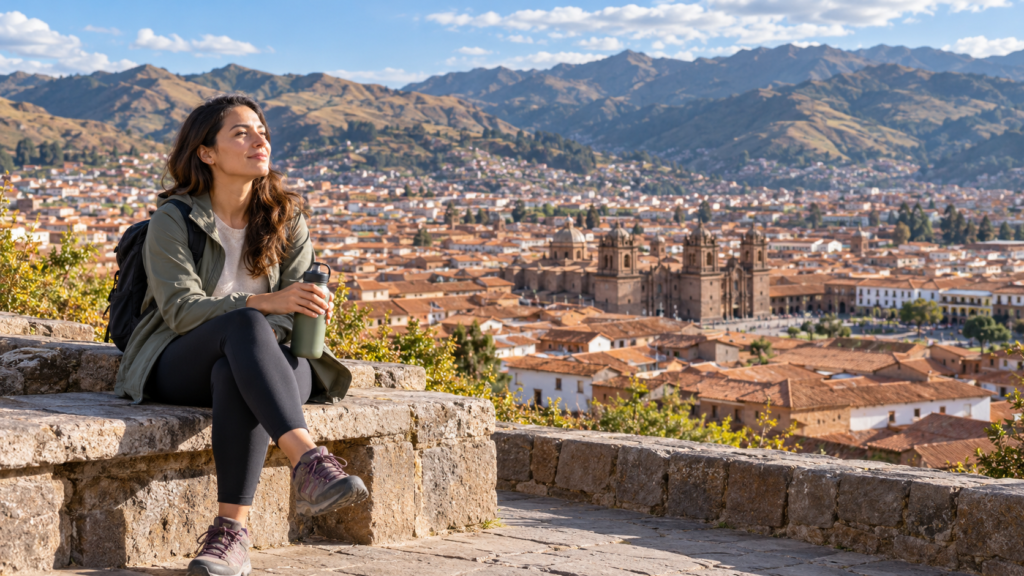
What Is Altitude Sickness?
Soroche, also known as acute mountain sickness, is the body’s reaction to ascending rapidly to high elevations. Cusco sits approximately 3,399 meters (11,152 feet) above sea level. At this elevation, less oxygen is available with each breath than at sea level, so the body needs time to adjust. Although many people experience only mild symptoms, knowing what to do can help reduce discomfort.
What Are the Symptoms of Altitude Sickness?
Symptoms can vary from person to person and depend on how quickly you ascend.
The most common symptoms include:
- Headache.
- Tiredness or fatigue.
- Dizziness.
- Nausea.
- Loss of appetite.
- Rapid breathing.
- Difficulty sleeping.
In most cases, these symptoms subside within the first 24 to 48 hours as the body begins to adjust to the altitude.
Who Can Get Altitude Sickness?
A common misconception is that altitude sickness only affects older adults or people who are physically unfit. In reality, anyone can experience it, including athletes and travelers in excellent physical condition. Each person responds differently to altitude, and this response does not depend solely on age or fitness level.
10 Tips to Help Prevent Altitude Sickness in Cusco
1. Take It Easy During Your First Few Hours
When you arrive in Cusco, avoid long walks or physically demanding activities on your first day. Give your body time to adjust gradually.
2. Stay Well Hydrated
Drink enough water to stay hydrated during your stay at high altitude.
3. Avoid Heavy Meals
During your first few hours, choose light meals that are easy to digest.
4. Limit Alcohol Consumption
Alcohol can contribute to dehydration and make altitude sickness symptoms feel worse.
5. Get Enough Rest
Getting adequate sleep and allowing time to rest supports the acclimatization process.
6. Listen to Your Body
If you feel dizzy or tired, slow down. There is no need to fit everything into your first day.
7. Consult Your Doctor Before Traveling
If you have a history of heart disease, respiratory illness, or other medical conditions, consult a healthcare professional before your trip.
8. Coca Leaf Tea
Drinking coca leaf tea is a traditional practice in Cusco associated with adjusting to altitude. Although many people use it, its effects may vary, and it is not a substitute for medical advice.
9. Allow Time Before More Demanding Activities
Excursions involving strenuous hiking, such as Rainbow Mountain or Humantay Lake, are generally more enjoyable once your body has had time to acclimatize.
10. Plan Your Itinerary Carefully
Good planning can make a difference. Starting with gentle sightseeing around the city and saving higher-altitude excursions for later days can make your trip more comfortable.
What Should You Do If You Develop Symptoms?
If you experience mild symptoms, rest, stay hydrated, and avoid physical exertion until you feel better. If symptoms are severe, worsen, or include significant difficulty breathing, confusion, or loss of balance, seek medical attention immediately.
Frequently Asked Questions
Do I Have to Take Medication for Altitude Sickness?
Not necessarily. Many people adjust without medication. If you are considering preventive medication, consult a healthcare professional beforehand.
Does Every Tourist Get Altitude Sickness?
No. Some people experience no symptoms, while others have mild discomfort during their first few hours.
How Long Does It Take the Body to Adjust?
Generally, between 24 and 48 hours, although this varies from person to person.
Can I Visit Machu Picchu on the Same Day I Arrive in Cusco?
Many travelers choose to spend a night in the Sacred Valley or Cusco before continuing their journey to allow time to adjust to the altitude.
Enjoy Cusco with Careful Planning
Altitude sickness does not have to stop you from exploring one of the world’s most fascinating destinations. With adequate acclimatization, hydration, and thoughtful planning, most travelers enjoy their experience without major difficulties.
At PERUTRAVIA, a local tour operator in Cusco, we help travelers organize itineraries that allow time to adjust to the altitude and make the most of every experience. If you need advice on planning your trip or booking tours in Cusco, we would be happy to help.